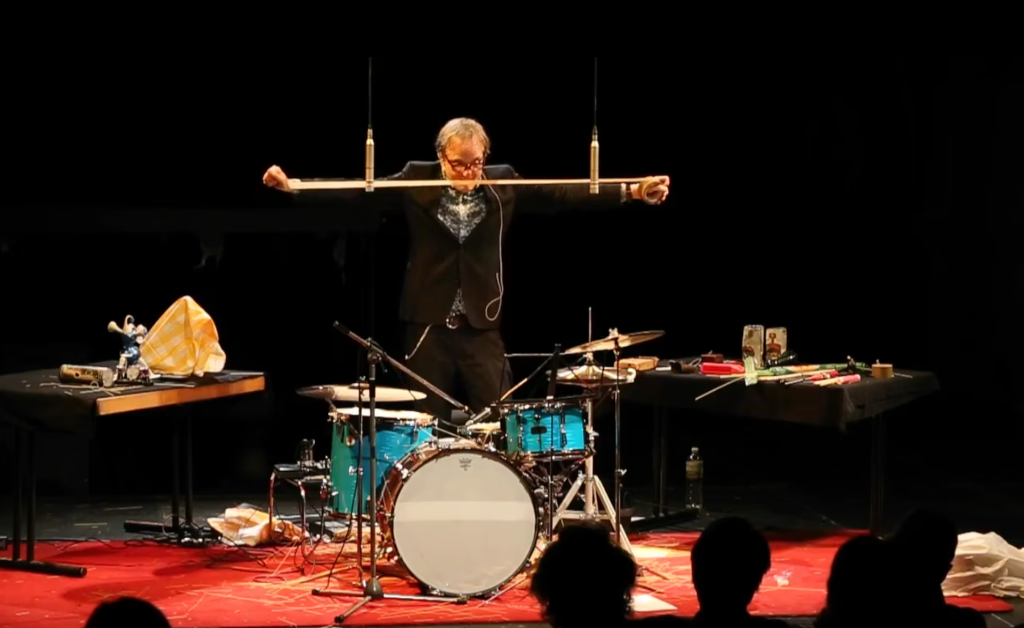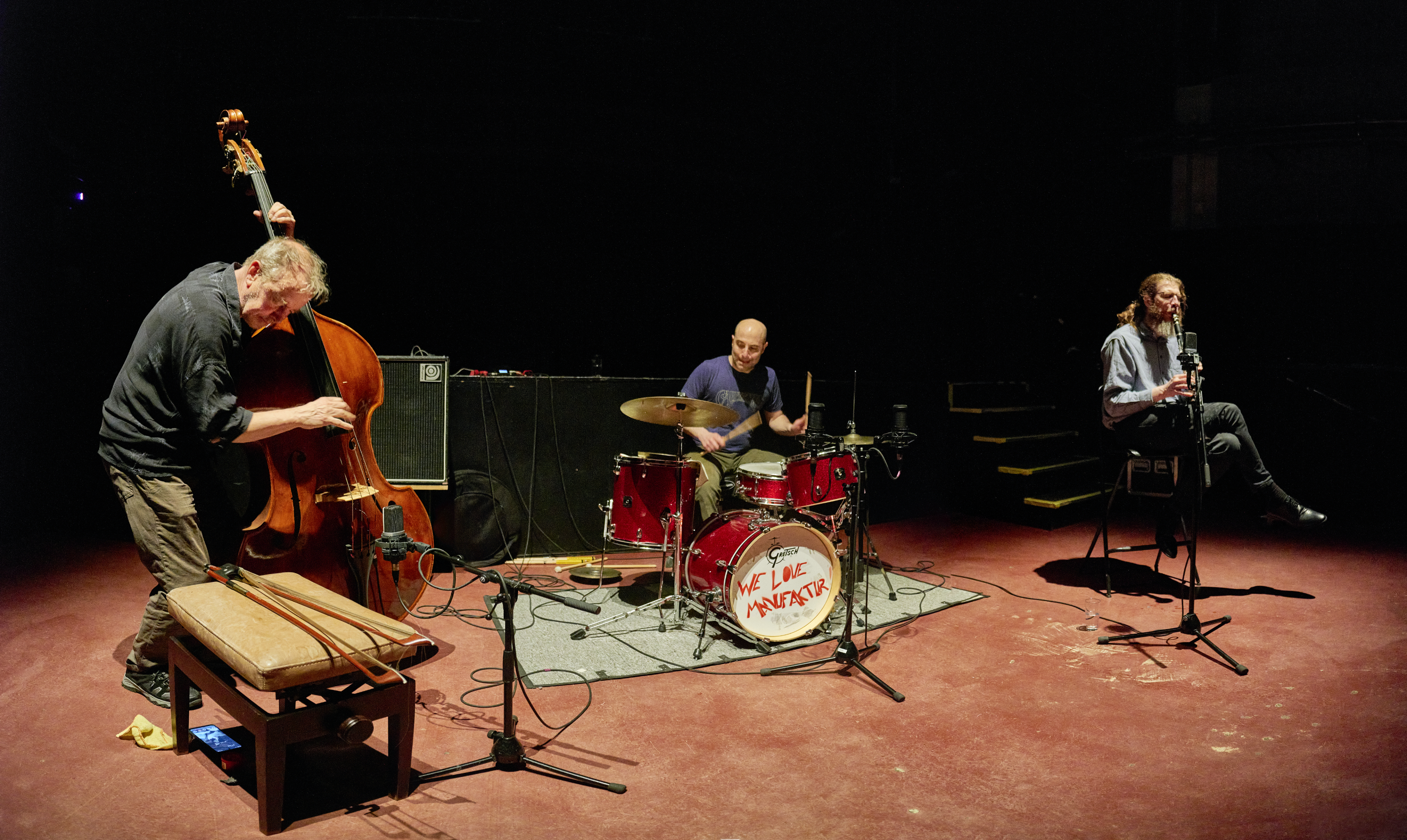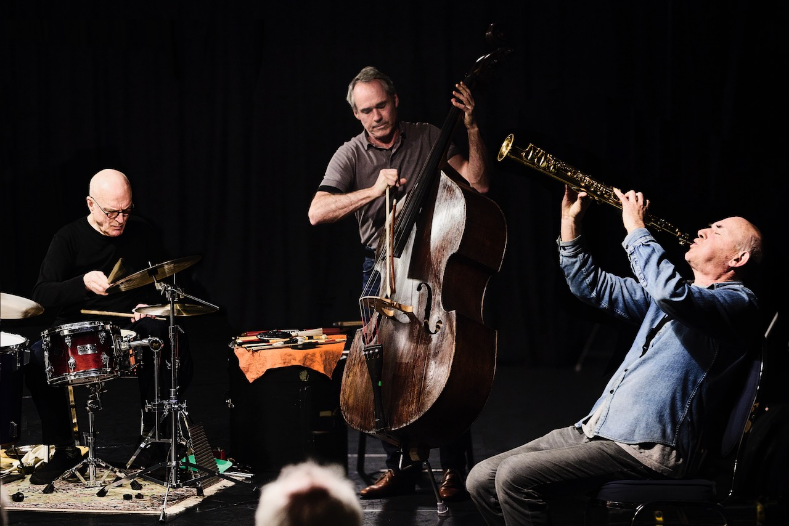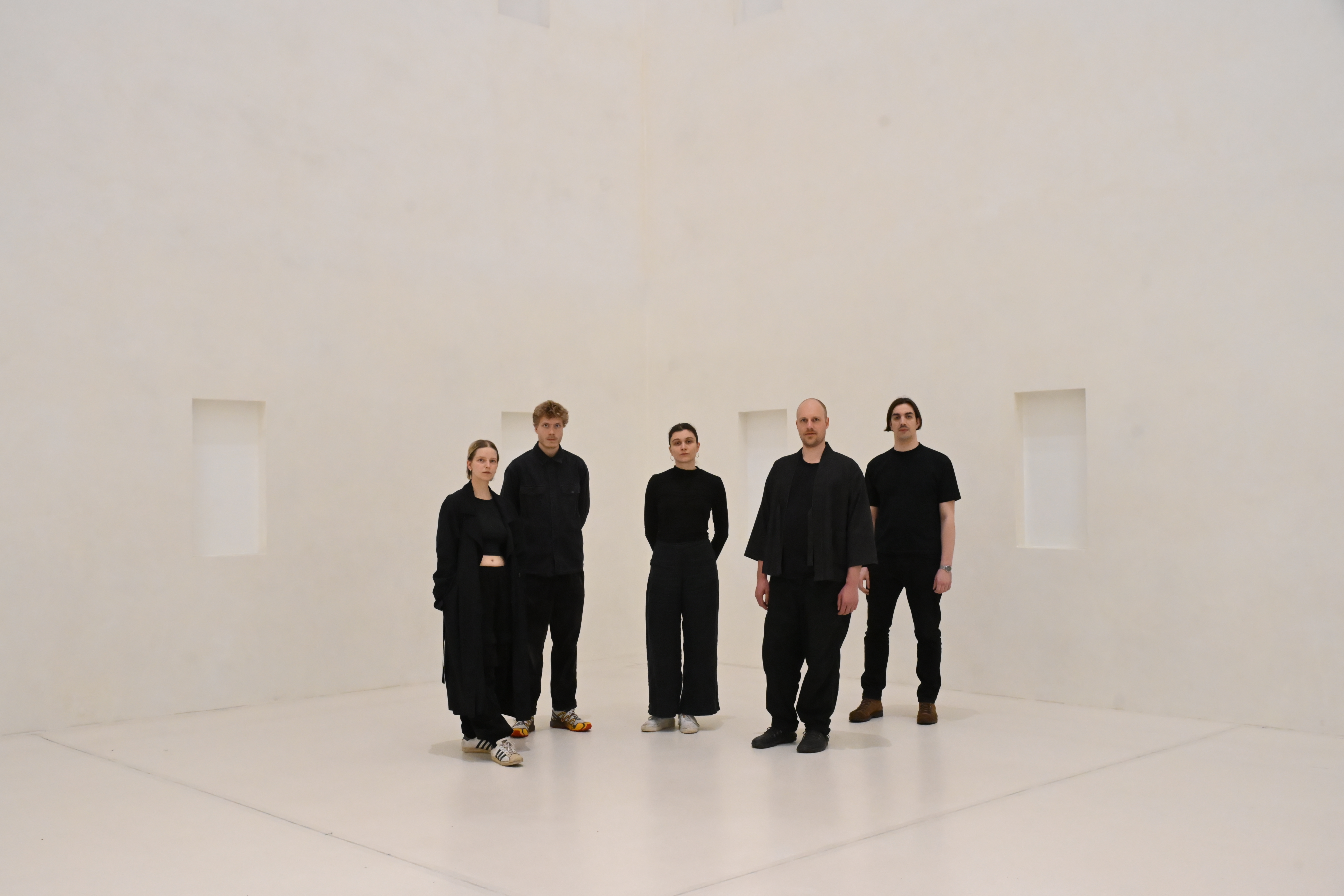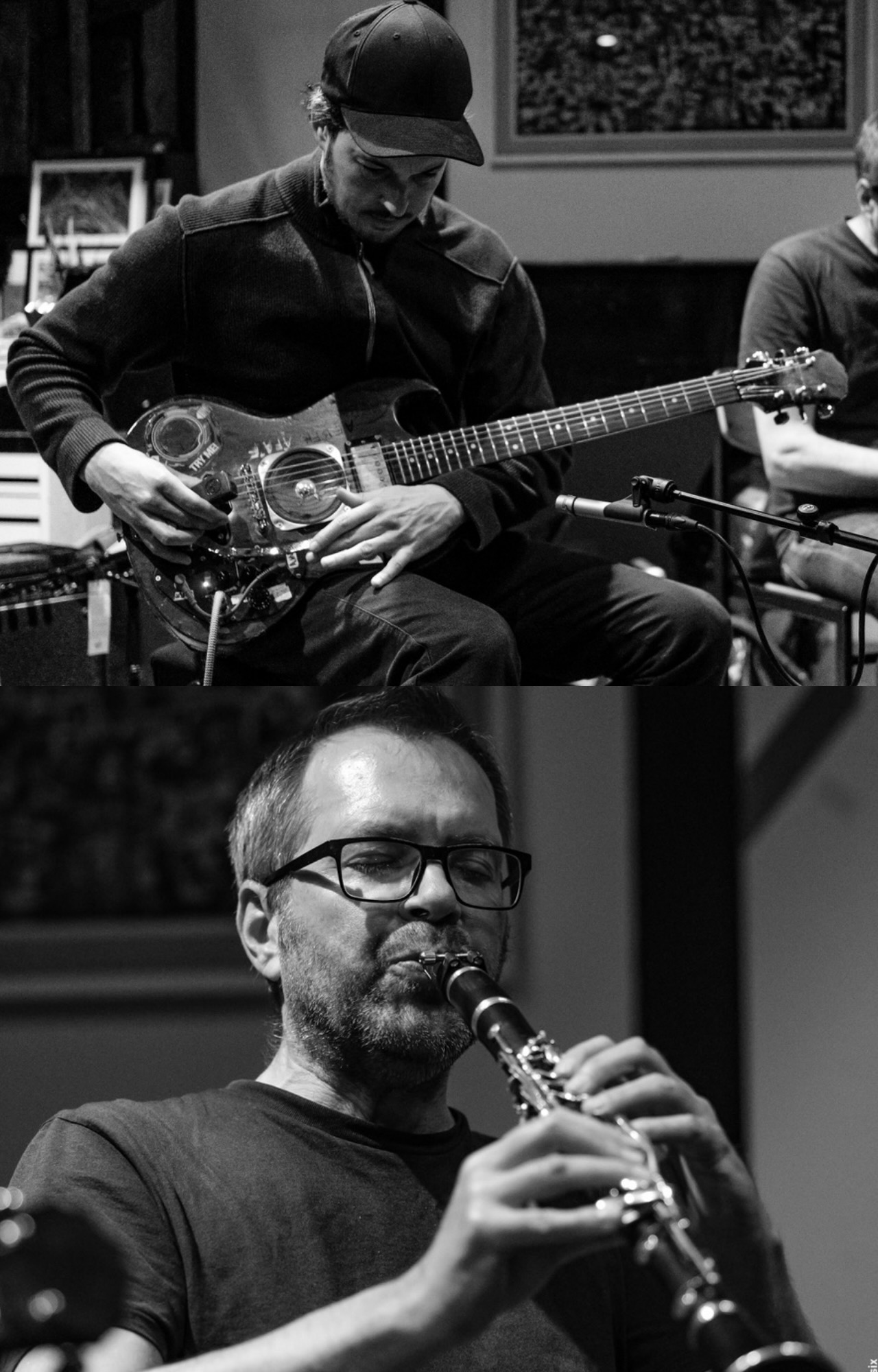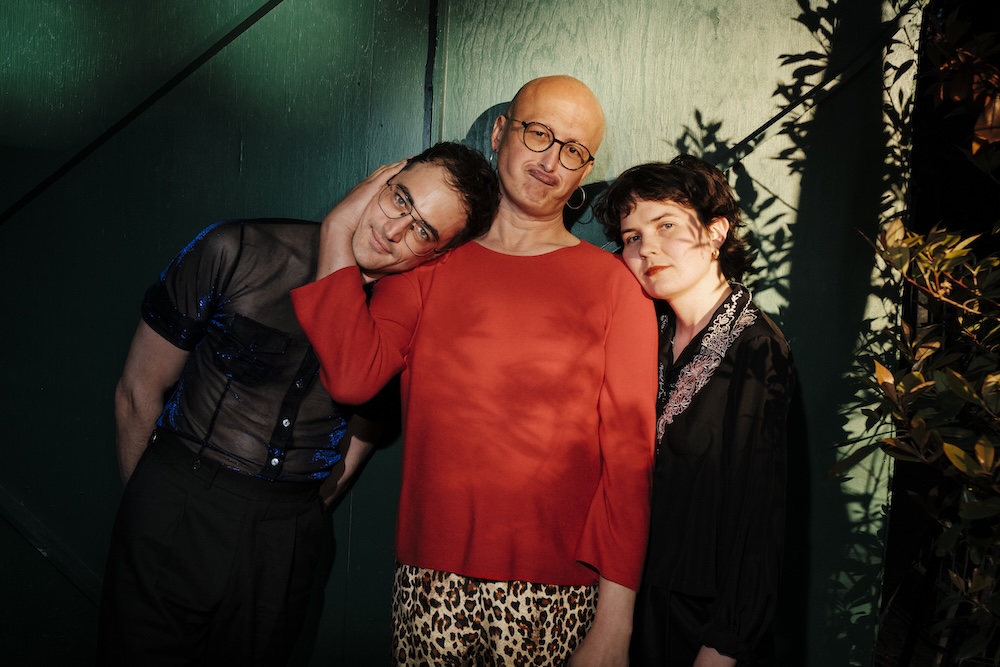
Emily Wittbrodt — cello
Florian Walter — tubax
Korhan Erel — electronics
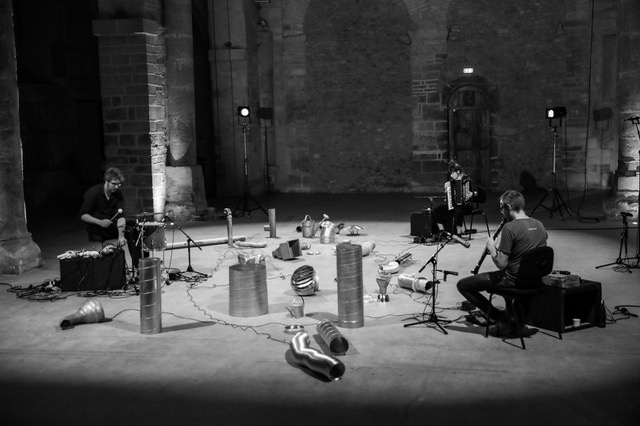
Flüchtige Berührungen gleich Fäden, die sich kreuzen, verweilen und sich lösen, eine Erinnerung: Ephemeral Fragments, est. in 2019. Emily Wittbrodt, Florian Walter und Korhan Erel begegnen dem Faktor Zeit mit chirurgischer Achtsamkeit. Schwingungen von Cello, Tubax und Electronics changieren stromlinienförmig zwischen Überlagerung und Generalpause - elektroakustische Kammermusik mit einem Deep Listening-Twist. Soghaft in den Arrangements und traditionsübergreifend in der Instrumentation wird eine ambivalente Form von Storytelling geschaffen, die eher sanft aus dem Traum reißt, als dass sie zum Träumen verführt. Der ästhetische Sweet Spot und seine Herbeiführung, immer heilsam und desillusionierend zugleich, erfährt dieselbe Relevanz wie seine dramaturgische Entsicherung. Symbiose und Gegenüberstellung stellen keine Gegensätze mehr dar, sondern teilen dieselbe Daseinsberechtigung auf einem Plateau kreativer Absichtslosigkeit. Strukturiertes Mäandern zwischen Instant Composing und konzeptueller Klangkunst - ein Work-in-Progress destilliert zu einem Impromptu.
Text von Louis Rastig
Album: Mit Gefühl https://florianwalter.bandcamp.com/album/mit-gef-hl
live in Graz 2026: https://youtu.be/3MRr2PKvag8?si=aQCNADkMQSX6ko-i
Social Media Florian Walter
https://www.instagram.com/florian_walter_87/
Website Florian Walter
https://florianwalter.yolasite.com/
Social Media Emily Wittbrodt
https://www.instagram.com/emily_wittbrodt/
Website Emily Wittbrodt
https://emilywittbrodt.com
Social Media Korhan Erel
https://www.instagram.com/korhanerelmusician/
Website Korhan Erel
https://korhanerel.com/
Gefördert vom Ministerium für Kultur und Wissenschaft des Landes Nordrhein-Westfalen